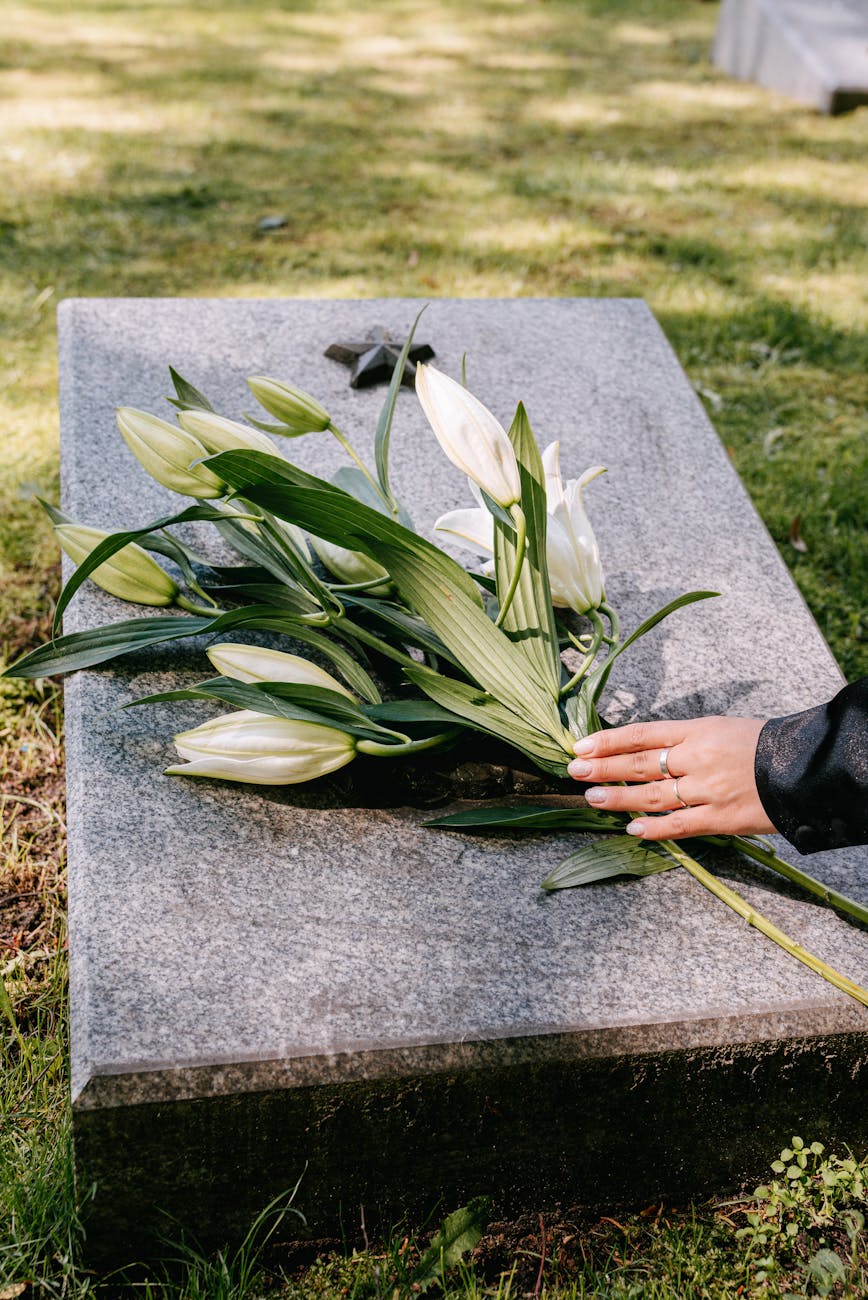
Well, it’s definitely been a minute (more like close to a year). Life has been lifing, as some of my students say. But, beyond that, this particular blog post hasn’t been an easy one to write. It deals with what happens when the people who are in charge of the end of your life either cannot or will not acknowledge who you have become… and so the final message of your life, the messages sent through funerals, obituaries, and headstones, just don’t represent you.
This might not be intentional, by the way. Maybe you never had the conversations you needed to have (see part 1). Maybe there are some financial considerations that make it difficult. For whatever reason, it is possible that these final messages are a little off with no malicious intent.
But, being honest, it’s just as likely that they…just don’t want to represent you…and, I don’t care what their excuses are, that is malicious. They don’t want to acknowledge who you have become. They don’t want to acknowledge that your life went in directions they didn’t choose. They don’t want to acknowledge harm they may have caused you in life. In these cases, the end of life practices are just another way to silence your voice, and that is hard for those who have been left behind and truly knew you.
This blog post started when two people I knew of died within a month. One had an obituary that represented who they were; the other…did not. The messiness of his faith journey wasn’t really there; the struggle that likely left him stronger in his own beliefs was non-existent. There was no real mention of the awesome community he had built with adoptees like himself and, in fact, what was there was pretty dismissive of those bonds. The focus on his own writing and art, as well as his attempts to encourage others’ voices through his publishing was an afterthought. I actually had to step away from the livestream when the person officiating made personal comments about overcoming his own addiction.
These final messages – the obituary and the celebration of life – wound up totally silencing the man he had become. He’s not the only person this has happened to, of course, and, every time it happens, it’s just a way of silencing someone’s voice.
So, what can those left behind do? Well, as silly as it is, they can talk about those they have lost. They can meet (in real life or virtually) and talk about their own memories of the people that are gone. They can post memories to obituary pages and to their own social media. They can make blog posts. They can continue their loved one’s legacy by donating to charities or publishing their own works. The obituary or the funeral don’t have to be the last message.
I struggled with how to end this one. The person who inspired this post was someone I more knew of than knew personally. His name was Josh Bechtel. His openness about some of the messiness of his faith really resonated with me, and his encouragement of others and his work to publish and share their stories was so important. His life – the life he chose to build – mattered so much. One of the things I have taken as a huge compliment is when someone compared our faiths, because his love for others and his desire to truly support those in community is something that resonated with me.
So, I’ve been talking to people who truly knew and cared for him, and I’d like to tell you a little about him. I think, first and foremost, he was a man who worked to build community and loved the people in the communities he built. He was able to build community with people across the country, people with diverse backgrounds, interests, and values. He helped adoptees like himself know that they had a place and a home with others that understood them. He wrote his own story and encouraged others to do the same, right up to publishing their work. He built community among artists and created art that spoke in ways words can’t describe. He built community through social media and networking with others who struggled in their faith journeys. He raised awareness about FASD. He understood the importance of community in life’s journey.
He was a wonderful friend, a person who supported those around him. He was quiet, a listener, but very vocal about encouraging others. He wanted them to know that they had a supporter in him, someone who would encourage them in their journeys, and he gave at least one words to live by: “If you can’t bring Heaven, give ’em Hell”. Maybe I should say at least two, because that’s been a screenshot on my phone for the past (almost) 2 years.
So, Josh Bechtel, I hope that you know the ripples you left in people’s lives. I’m one, and we never even met in person. Two years later (almost), you are still thought of, you are still missed, and there are still people who live by some of the messages you shared with them. I hope you know that you were loved and appreciated for who you were, not just who people wanted you to be. I hope you know that the communities that you helped create continue. I hope you know that people still share your perspectives, your voice, with others. The world is a better place because you were in it.
Oh, and, if you haven’t gotten around to it yet, there’s some conversations yet to be had with Rene. Even if you have, it’s never a bad thing to check in with old friends. 🙂
 Tara's Thoughts
Leave a comment